- 中文版:
- EI 100%收录
- 英文版
- SCI 100%收录


中国出版政府奖提名奖
中国百强科技报刊
湖北出版政府奖
中国高校百佳科技期刊
中国最美期刊
中国出版政府奖提名奖
中国百强科技报刊
湖北出版政府奖
中国高校百佳科技期刊
中国最美期刊
| Citation: | Zhang Mingming, Chen Cong, Huang Yuqin, Qu Jiangyanyu, Yuan Feng, Li Xiaohui, 2026. Three-Dimensional Mineral Prospectivity Modeling of Skarn-Type Copper Deposits in the Anqing Area Based on Causal Inference and Graph Attention Networks. Earth Science, 51(3): 909-920. doi: 10.3799/dqkx.2025.198

|
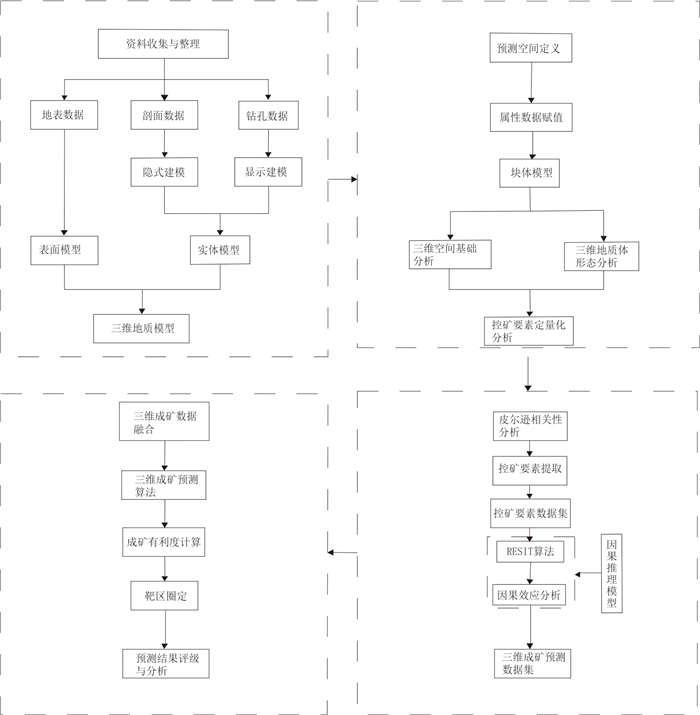
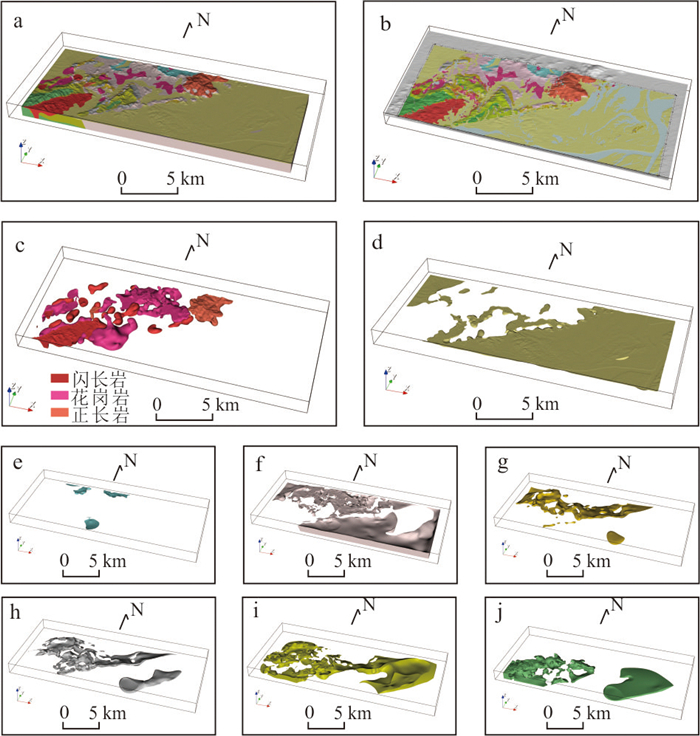
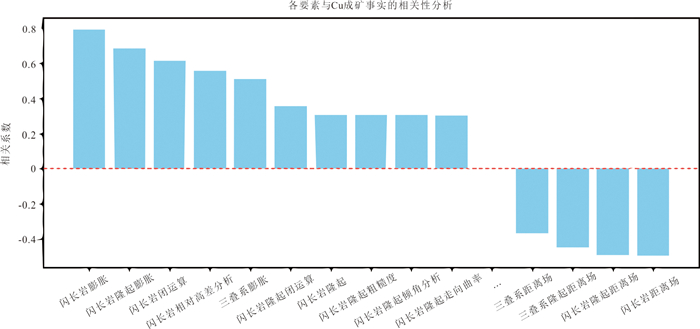
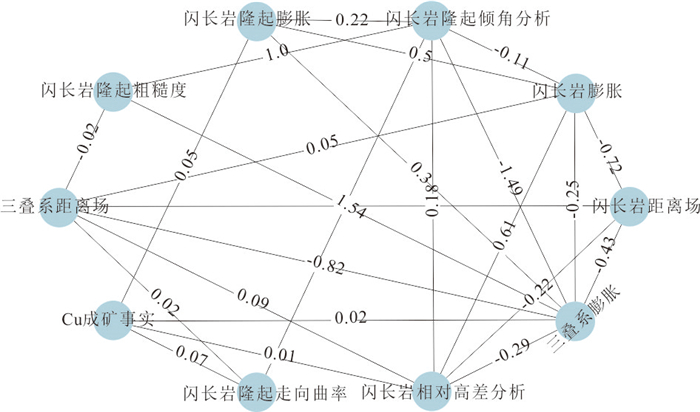
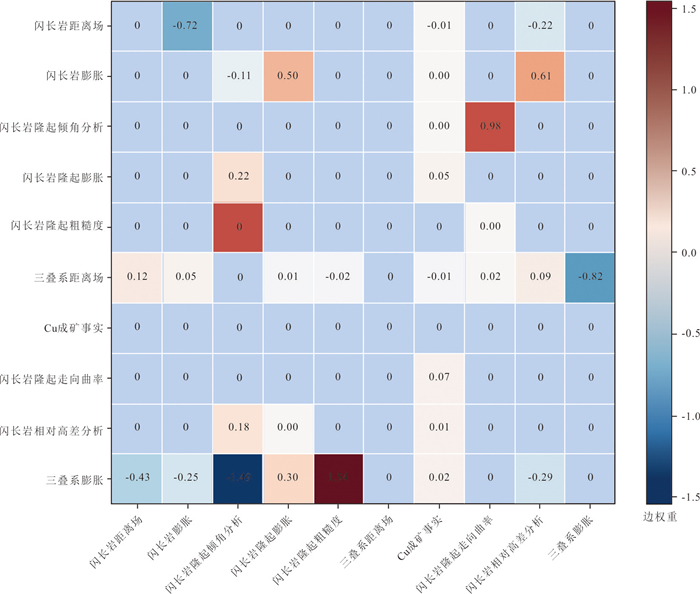
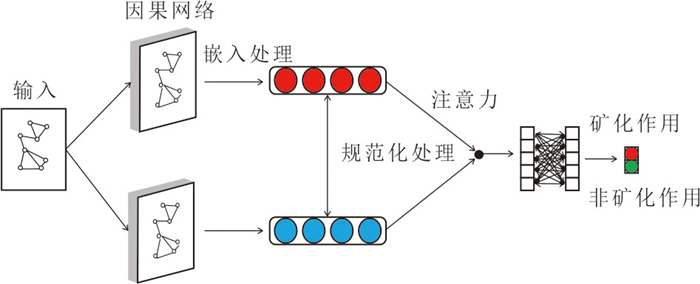
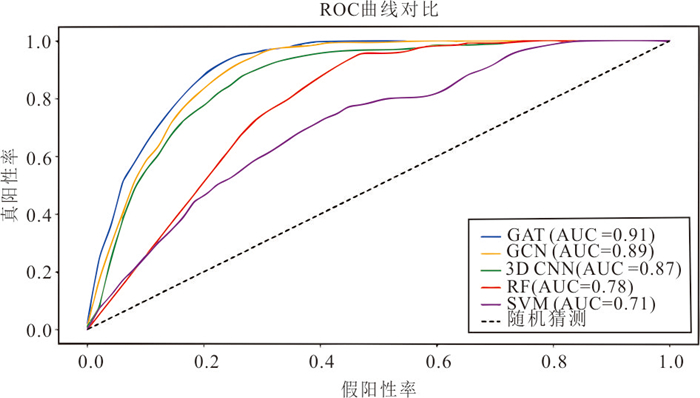
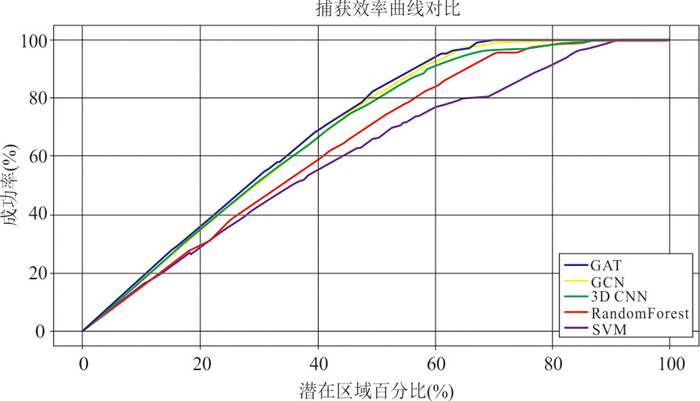
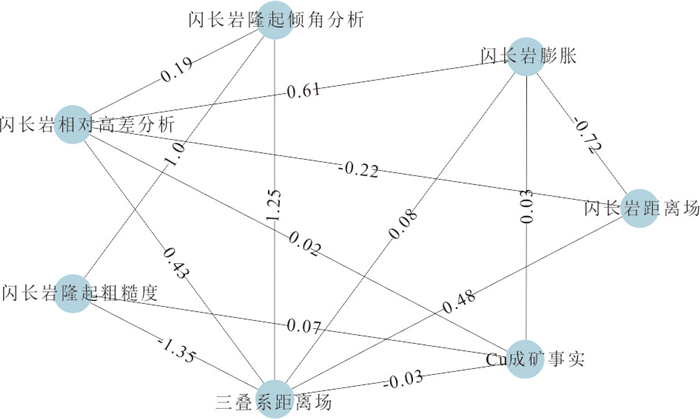
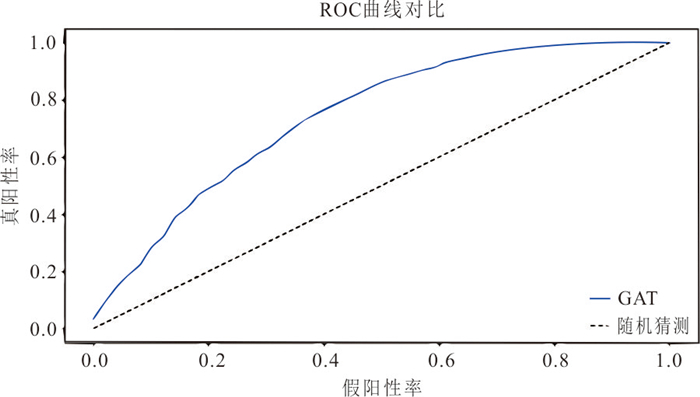
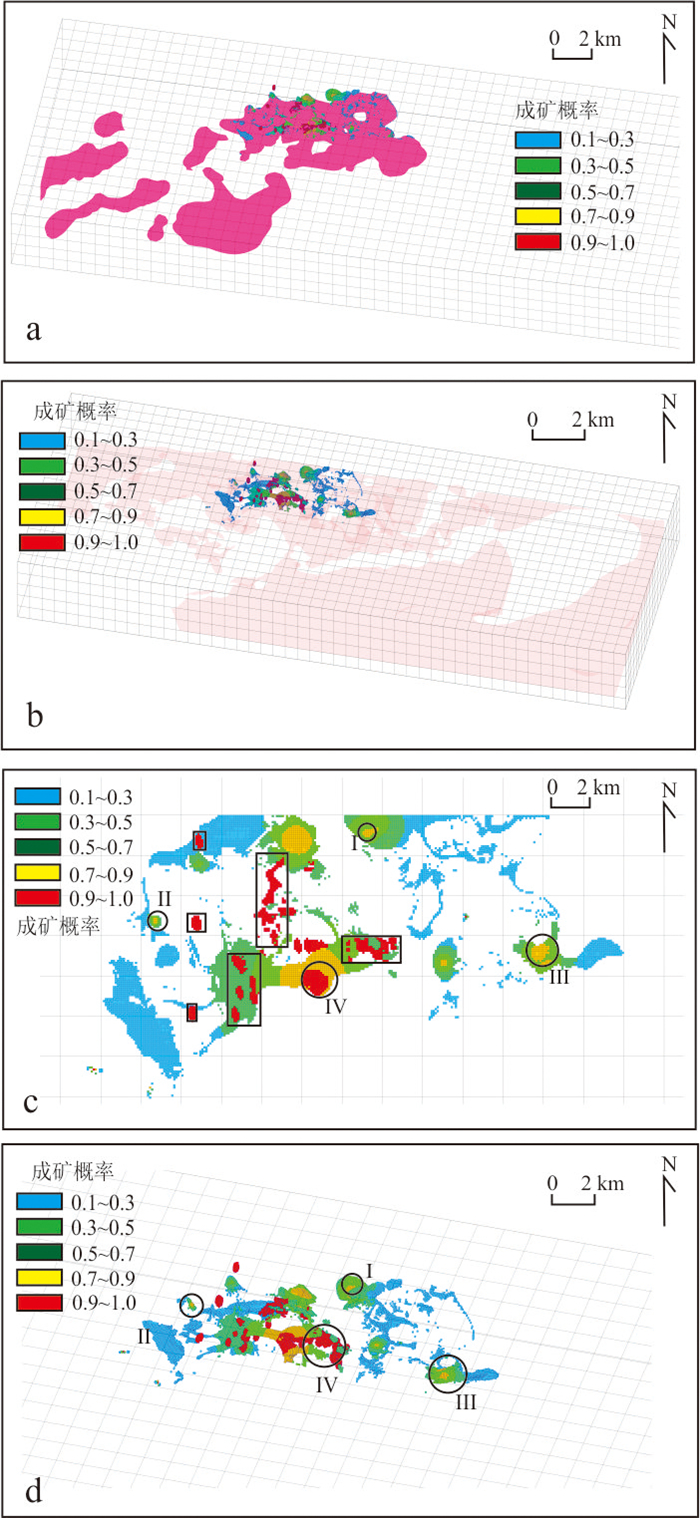
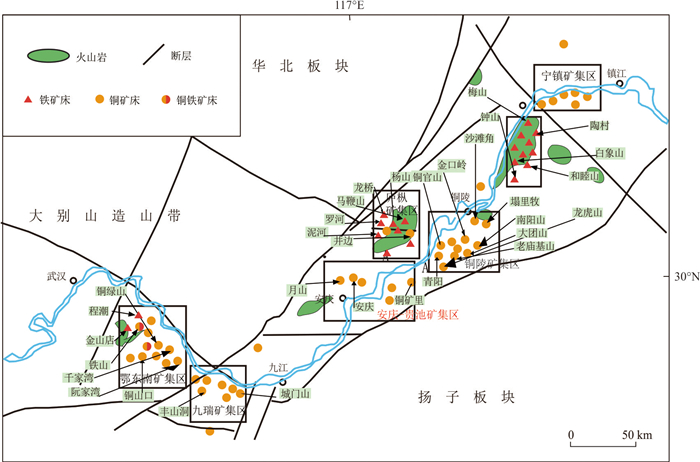
This study proposes a three-dimensional mineral prospectivity modeling method that integrates causal inference with Graph Attention Networks (GAT) to improve the accuracy and efficiency of deep concealed skarn-type copper deposits prediction in complex geological settings. Using the Anqing area of the Middle-Lower Yangtze Metallogenic Belt as a case, a high-precision 3D geological model involving strata, intrusions, faults, and ore bodies was constructed based on geological maps, borehole data, and geophysical information through a hybrid explicit-implicit modeling approach. On this basis, the RESIT causal inference algorithm, which is built upon non-Gaussian assumptions, was employed to analyze 62 ore-controlling factors. A causal graph was established, and 14 key controlling variables were identified. Subsequently, a 3D prediction dataset incorporating spatial adjacency relationships was developed, and the causal structure was introduced into the GAT model for mineralization probability prediction. Comparative experiments demonstrate that the proposed method outperforms commonly used approaches-including Random Forest, Support Vector Machine, Graph Convolutional Networks, and 3D Convolutional Neural Networks-in terms of accuracy, AUC, and success rate curves. Based on the predictions, four deep high-potential target zones were delineated, which are closely associated with diorite intrusions and Triassic carbonate contact zones. The results indicate that integrating causal inference with deep graph learning not only enhances prediction performance but also improves the geological interpretability of the model, providing a promising technical pathway for deep mineral exploration.

|
Agterberg, F. P., Bonham-Carter, G. F., 2005. Measuring the Performance of Mineral-Potential Maps. Natural Resources Research, 14(1): 1-17. https://doi.org/10.1007/s11053-005-4674-0
|
|
Athey, S., Imbens, G. W., 2017. The State of Applied Econometrics: Causality and Policy Evaluation. Journal of Economic Perspectives, 31(2): 3-32. https://doi.org/10.1257/jep.31.2.3
|
|
Caumon, G., Collon-Drouaillet, P., Le Carlier de Veslud, C., et al., 2009. Surface-Based 3D Modeling of Geological Structures. Mathematical Geosciences, 41(8): 927-945. https://doi.org/10.1007/s11004-009-9244-2
|
|
Deng, H., Huang, X. F., Mao, X. C., et al., 2022a. Generalized Mathematical Morphological Method for 3D Shape Analysis of Geological Boundaries: Application in Identifying Mineralization-Associated Shape Features. Natural Resources Research, 31(4): 2103-2127. https://doi.org/10.1007/s11053-021-09975-6
|
|
Deng, H., Zheng, Y., Chen, J., et al., 2022b. Learning 3D Mineral Prospectivity from 3D Geological Models Using Convolutional Neural Networks: Application to a Structure-Controlled Hydrothermal Gold Deposit. Computers & Geosciences, 161: 105074. https://doi.org/10.1016/j.cageo.2022.105074
|
|
He, H., Ma, C., Ye, S., et al., 2024. Low Resource Chinese Geological Text Named Entity Recognition Based on Prompt Learning. Journal of Earth Science, 35(3): 1035-1043. https://doi.org/10.1007/s12583-023-1944-8
|
|
Hu, X. Y., Li, X. H., Yuan, F., et al., 2020. 3D Numerical Simulation-Based Targeting of Skarn Type Mineralization within the Xuancheng-Magushan Orefield, Middle-Lower Yangtze Metallogenic Belt, China. Lithosphere, 2020: 8351536. https://doi.org/10.2113/2020/8351536
|
|
Hu, X. Y., Yuan, F., Li, X. H., et al., 2018. 3D Characteristic Analysis-Based Targeting of Concealed Kiruna-Type Fe Oxide-Apatite Mineralization within the Yangzhuang Deposit of the Zhonggu Orefield, Southern Ningwu Volcanic Basin, Middle-Lower Yangtze River Metallogenic Belt, China. Ore Geology Reviews, 92: 240-256. https://doi.org/10.1016/j.oregeorev.2017.11.019
|
|
Hyvärinen, A., Zhang, K., Shimizu, S., et al., 2010. Estimation of a Structural Vector Autoregression Model Using Non-Gaussianity. Journal of Machine Learning Research, 11(5): 1709-1731.
|
|
Kipf, T. N., Welling, M., 2016. Semi-Supervised Classification with Graph Convolutional Networks. arXiv Preprint, arXiv: 1609.02907.
|
|
Lee, C., Oh, H. J., Cho, S. J., et al., 2019. Three-Dimensional Prospectivity Mapping of Skarn-Type Mineralization in the Southern Taebaek Area, Korea. Geosciences Journal, 23(2): 327-339. https://doi.org/10.1007/s12303-018-0035-y
|
|
Li, H., Li, X. H., Yuan, F., et al., 2020. Convolutional Neural Network and Transfer Learning Based Mineral Prospectivity Modeling for Geochemical Exploration of Au Mineralization within the Guandian-Zhangbaling Area, Anhui Province, China. Applied Geochemistry, 122: 104747. https://doi.org/10.1016/j.apgeochem.2020.104747
|
|
Li, H., Li, X. H., Yuan, F., et al., 2022. Knowledge-Driven Based Three-Dimensional Prospectivity Modeling of Fe-Cu Skarn Deposits: A Case Study of the Fanchang Volcanic Basin, Anhui Province, Eastern China. Ore Geology Reviews, 149: 105065. https://doi.org/10.1016/j.oregeorev.2022.105065
|
|
Li, H., Li, X. H., Yuan, F., et al., 2023. Genetic Algorithm Optimized Light Gradient Boosting Machine for 3D Mineral Prospectivity Modeling of Cu Polymetallic Skarn-Type Mineralization, Xuancheng Area, Anhui Province, Eastern China. Natural Resources Research, 32(5): 1897-1916. https://doi.org/10.1007/s11053-023-10227-y
|
|
Li, N., Bagas, L., Li, X. H., et al., 2016. An Improved Buffer Analysis Technique for Model-Based 3D Mineral Potential Mapping and Its Application. Ore Geology Reviews, 76: 94-107. https://doi.org/10.1016/j.oregeorev.2015.12.002
|
|
Li, S., Chen, J. P., Liu, C., et al., 2021a. Mineral Prospectivity Prediction via Convolutional Neural Networks Based on Geological Big Data. Journal of Earth Science, 32(2): 327-347. https://doi.org/10.1007/s12583-020-1365-z
|
|
Li, T., Zuo, R. G., Xiong, Y. H., et al., 2021b. Random-Drop Data Augmentation of Deep Convolutional Neural Network for Mineral Prospectivity Mapping. Natural Resources Research, 30(1): 27-38. https://doi.org/10.1007/s11053-020-09742-z
|
|
Li, X. H., Yuan, F., Zhang, M. M., et al., 2015. Three-Dimensional Mineral Prospectivity Modeling for Targeting of Concealed Mineralization within the Zhonggu Iron Orefield, Ningwu Basin, China. Ore Geology Reviews, 71: 633-654. https://doi.org/10.1016/j.oregeorev.2015.06.001
|
|
Li, Y., Yuan, F., Jowitt, S. M., et al., 2025. Genesis of the Maweishan Pb-Zn Deposit, Eastern China and Controls on the Distribution and Formation of Sphalerite-Hosted Critical Metal (Cd, Ga, and in) Mineralization. Ore Geology Reviews, 181: 106600. doi: 10.1016/j.oregeorev.2025.106600
|
|
Luo, Z. J., Zuo, R. G., Xiong, Y. H., et al., 2021. Detection of Geochemical Anomalies Related to Mineralization Using the GANomaly Network. Applied Geochemistry, 131: 105043. https://doi.org/10.1016/j.apgeochem.2021.105043
|
|
Ma, S. S., Statnikov, A., 2017. Methods for Computational Causal Discovery in Biomedicine. Behaviormetrika, 44(1): 165-191. https://doi.org/10.1007/s41237-016-0013-5
|
|
Mao, X. C., Ren, J., Liu, Z. K., et al., 2019. Three-Dimensional Prospectivity Modeling of the Jiaojia-Type Gold Deposit, Jiaodong Peninsula, Eastern China: A Case Study of the Dayingezhuang Deposit. Journal of Geochemical Exploration, 203: 27-44. https://doi.org/10.1016/j.gexplo.2019.04.002
|
|
Mao, X. C., Zhang, B., Deng, H., et al., 2016. Three-Dimensional Morphological Analysis Method for Geologic Bodies and Its Parallel Implementation. Computers & Geosciences, 96: 11-22. https://doi.org/10.1016/j.cageo.2016.07.004
|
|
Mao, X. C., Zhang, W., Liu, Z. K., et al., 2020.3D Mineral Prospectivity Modeling for the Low-Sulfidation Epithermal Gold Deposit: A Case Study of the Axi Gold Deposit, Western Tianshan, NW China. Minerals, 10(3): 233. https://doi.org/10.3390/min10030233
|
|
Mejía-Herrera, P., Royer, J. J., Caumon, G., et al., 2015. Curvature Attribute from Surface-Restoration as Predictor Variable in Kupferschiefer Copper Potentials: An Example from the Fore-Sudetic Region. Natural Resources Research, 24(3): 275-290. https://doi.org/10.1007/s11053-014-9247-7
|
|
Shao, R. Q., Lin, P., Xu, Z. H., et al., 2025. Machine Learning of Element Geochemical Anomalies for Adverse Geology Identification in Tunnels. Journal of Earth Science, 36(3): 1261-1276. https://doi.org/10.1007/s12583-024-0090-4
|
|
Shimizu, S., Hoyer, P. O., Hyvärinen, A., et al., 2006. A Linear Non-Gaussian Acyclic Model for Causal Discovery. Journal of Machine Learning Research, 7(10): 2003-2030.
|
|
Spirtes, P., 2001. An Anytime Algorithm for Causal Inference. International Workshop on Artificial Intelligence and Statistics. Key West.
|
|
Sun, K., Chen, Y. S., Geng, G. S., et al., 2024. A Review of Mineral Prospectivity Mapping Using Deep Learning. Minerals, 14(10): 1021. https://doi.org/10.3390/min14101021
|
|
Sun, T., Li, H., Wu, K. X., et al., 2020. Data-Driven Predictive Modelling of Mineral Prospectivity Using Machine Learning and Deep Learning Methods: A Case Study from Southern Jiangxi Province, China. Minerals, 10(2): 102. https://doi.org/10.3390/min10020102
|
|
Varian, H. R., 2016. Causal Inference in Economics and Marketing. Proceedings of the National Academy of Sciences, 113(27): 7310-7315. https://doi.org/10.1073/pnas.1510479113
|
|
Xu, X. Y., Xu, X. C., Xie, Q. Q., et al., 2022. Geological Features and Ore-Forming Mechanisms of the Chating Cu-Au Deposit: A Rare Case of Porphyry Deposit in the Middle-Lower Yangtze River Metallogenic Belt. Ore Geology Reviews, 144: 104860. https://doi.org/10.1016/j.oregeorev.2022.104860
|
|
Zhai, Y. S., Yao, S. Z., Lin, X. D., 1992. Metallogenic Regularities of Iron-Copper (Gold) Depositst in the Middle and Lower Reaches of the Yangtze River. Geological Publishing House, Beijing (in Chinese).
|
|
Zhang, M. M., Zhou, G. Y., Shen, L., et al., 2019. Comparison of 3D Prospectivity Modeling Methods for Fe-Cu Skarn Deposits: A Case Study of the Zhuchong Fe-Cu Deposit in the Yueshan Orefield (Anhui), Eastern China. Ore Geology Reviews, 114: 103126. https://doi.org/10.1016/j.oregeorev.2019.103126
|
|
Zhou, T. F., Fan, Y., Chen, J., et al., 2020. Critical Metal Resources in the Middle-Lower Yangtze River Valley Metallogenic Belt. Chinese Science Bulletin, 65(33): 3665-3677 (in Chinese with English abstract). doi: 10.1360/TB-2020-0347
|
|
Zhou, T. F., Fan, Y., Wang, S. W., et al., 2017. Metallogenic Regularity and Metallogenic Model of the Middle-Lower Yangtze River Valley Metallogenic Belt. Acta Petrologica Sinica, 33(11): 3353-3372 (in Chinese with English abstract).
|
|
周涛发, 范裕, 陈静, 等, 2020. 长江中下游成矿带关键金属矿产研究现状与进展. 65(33): 3665-3677.
|
|
周涛发, 范裕, 王世伟, 等, 2017. 长江中下游成矿带成矿规律和成矿模式. 岩石学报, 33(11): 3353-3372.
|
|
翟裕生, 姚书振, 林新多, 1992. 长江中下游地区铁铜(金)成矿规律. 北京: 地质出版社.
|
Figures(14) / Tables(3)


 DownLoad: